
Health & Wellbeing
West Nile virus moves further north in Europe
On October 15, 2026, ECDC reported a record West Nile season in the EU and the first local human cases in Belgium.
On October 15, 2026, the European Centre for Disease Prevention and Control, or ECDC, published new figures on West Nile virus. The agency said that the European Union was having its most intense West Nile season so far. By October 7, EU countries had reported 1,715 human cases that were caught locally, not on trips abroad. This was the highest number ever.
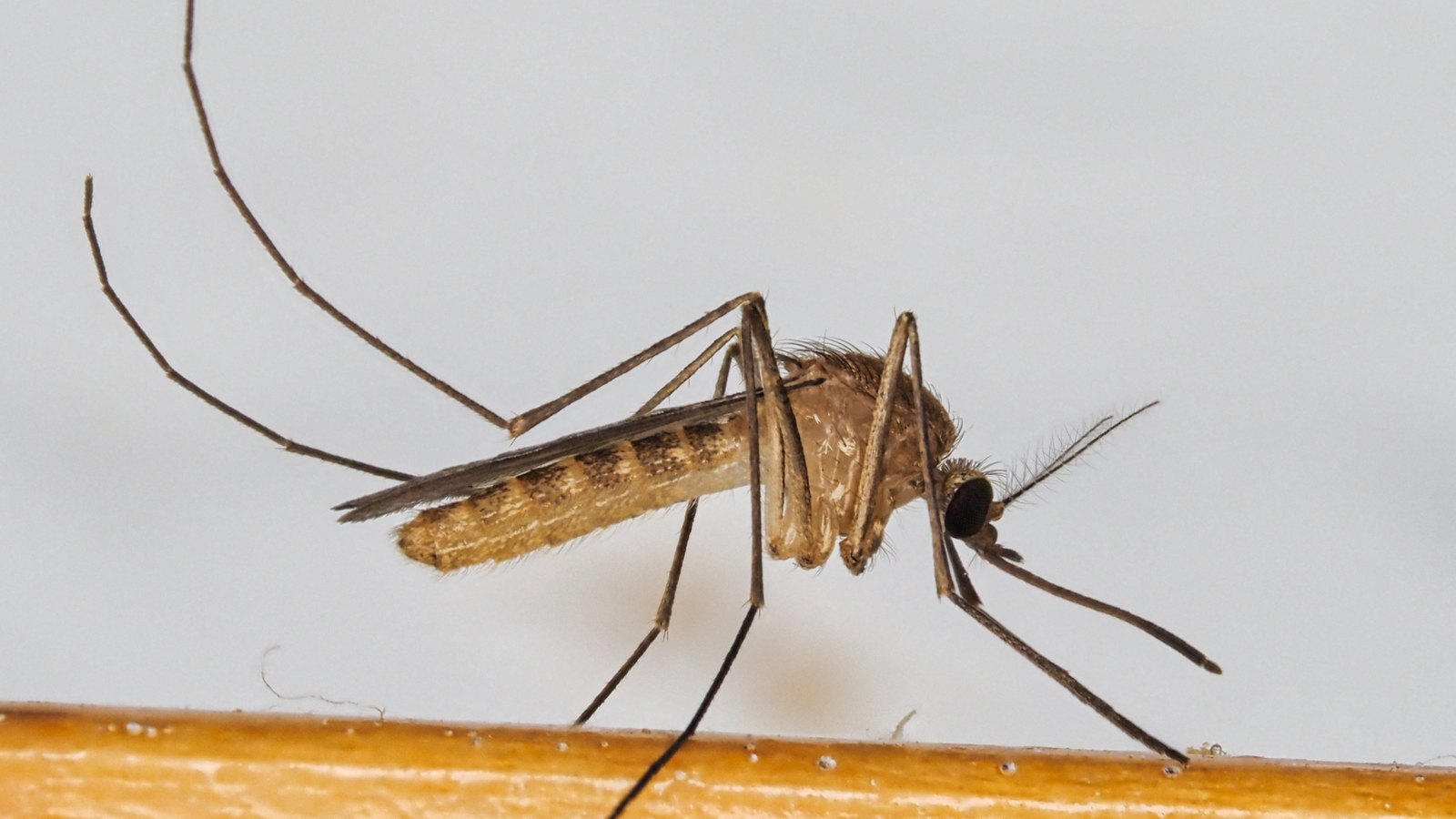
West Nile virus is carried mainly by mosquitoes, especially a common kind called Culex. The virus usually moves between mosquitoes and birds, but a mosquito bite can also pass it to people and horses. It rarely passes directly from one person to another. According to ECDC, about 80 percent of infections in people cause no symptoms. About one in five infections may cause a fever, a headache or tiredness, and fewer than 1 percent lead to serious illness. Older adults and people with weak immune systems have a greater risk of severe symptoms.
Word in this story
To find or notice something, especially something that is not easy to see.
The virus is also moving further north, and it was detected in people and animals in Belgium and the Netherlands.