
Việt Nam & châu Á
China's porcelain city joins the World Heritage List
UNESCO added Jingdezhen's porcelain sites to its list on July 25, 2026. Learn about the clay, the kilns and blue-and-white.
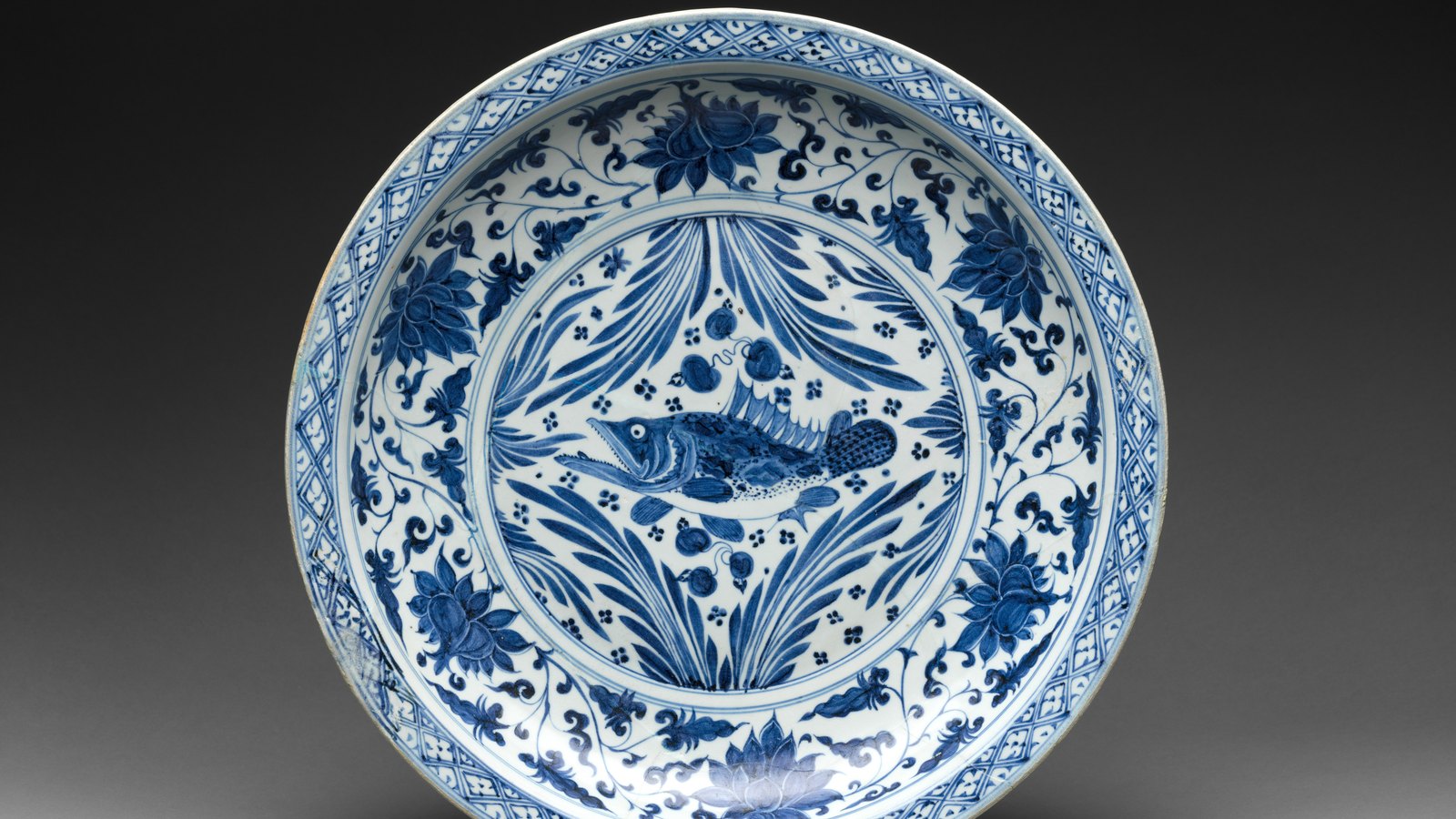
On July 25, 2026, UNESCO's World Heritage Committee added the Jingdezhen Handicraft Porcelain Industry Sites in China to the World Heritage List. The decision was taken in Busan, in the Republic of Korea, during the committee's 48th session, which ran from July 19 to 29. Jingdezhen, a city in Jiangxi Province, is often called the Porcelain Capital, and UNESCO says that its workshops produced porcelain of the very highest quality.
The new World Heritage property is made up of five separate parts. Taken together, UNESCO explains, they show how porcelain was produced by hand from the 10th to the 19th century. They reflect each main stage of the industry, from digging and transporting raw materials to new kiln designs and the organization of production on an immense scale. In the town area, the Imperial Kiln, which worked for the emperor's court, operated side by side with civilian kilns, guilds and merchant associations.
Từ vựng trong bài
Lò nung: một loại lò rất nóng dùng để nung đồ làm bằng đất sét, như nồi, gạch hay đồ sứ, cho cứng lại.
Once a piece had been shaped, it had to be fired in a kiln.