
Lịch sử & di sản
Ancient red ochre keeps traces of an antelope
A study published on October 21, 2026, found proteins from the common eland in 60,000-year-old ochre-rich earth in South Africa.
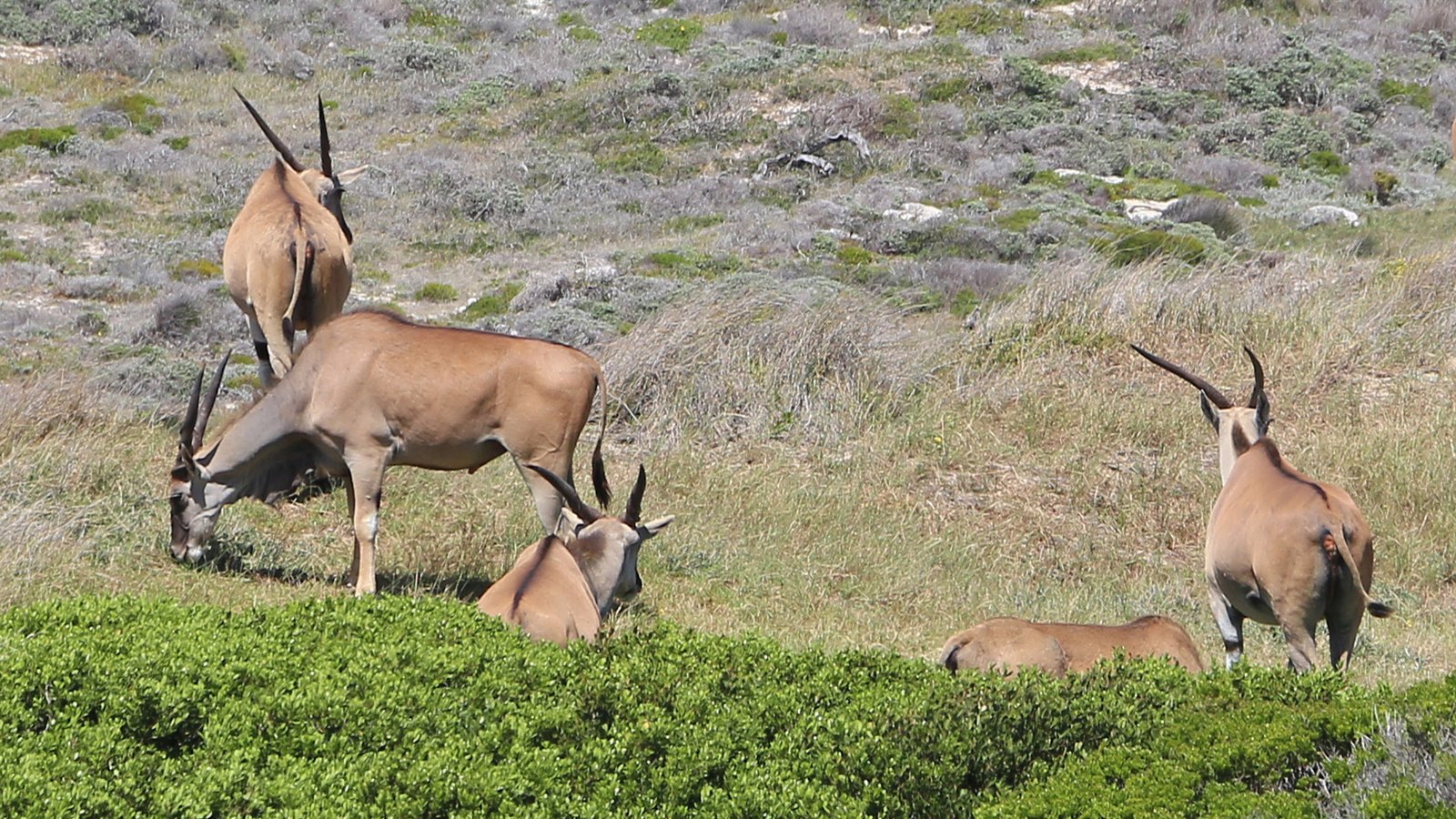
On October 21, 2026, a team including researchers from Kyushu University in Japan, the University of Bergen in Norway and the University of Copenhagen in Denmark published a study in the journal Proceedings of the Royal Society B. The scientists examined a thin layer of red earth from Klipdrift Shelter, a rock shelter in the coastal cliffs of South Africa. The layer is about 60,000 years old. Although no part of the animal itself can be seen in it, the team found traces of proteins from a large antelope called the common eland.
The red material is ochre, a natural earth pigment that gets its color from iron. Archaeologists have found that people in southern Africa regularly scraped and ground ochre during the Middle Stone Age, the period linked with the appearance of our own species, Homo sapiens. Researchers think that the powder had many uses: as paint, perhaps for decorating the body, in glue for fixing stone points to handles, and for treating animal skins. Ochre powder was sometimes mixed with other substances, such as fat or milk, but such substances rarely survive for tens of thousands of years.
Từ vựng trong bài
Dấu vết: một lượng rất nhỏ hoặc một dấu hiệu cho thấy thứ gì đó đã từng có mặt ở đó.
Although no part of the animal itself can be seen in it, the team found traces of proteins from a large antelope called the common eland.