
Động vật & thiên nhiên
Serengeti hyenas cope as the big herds visit less often
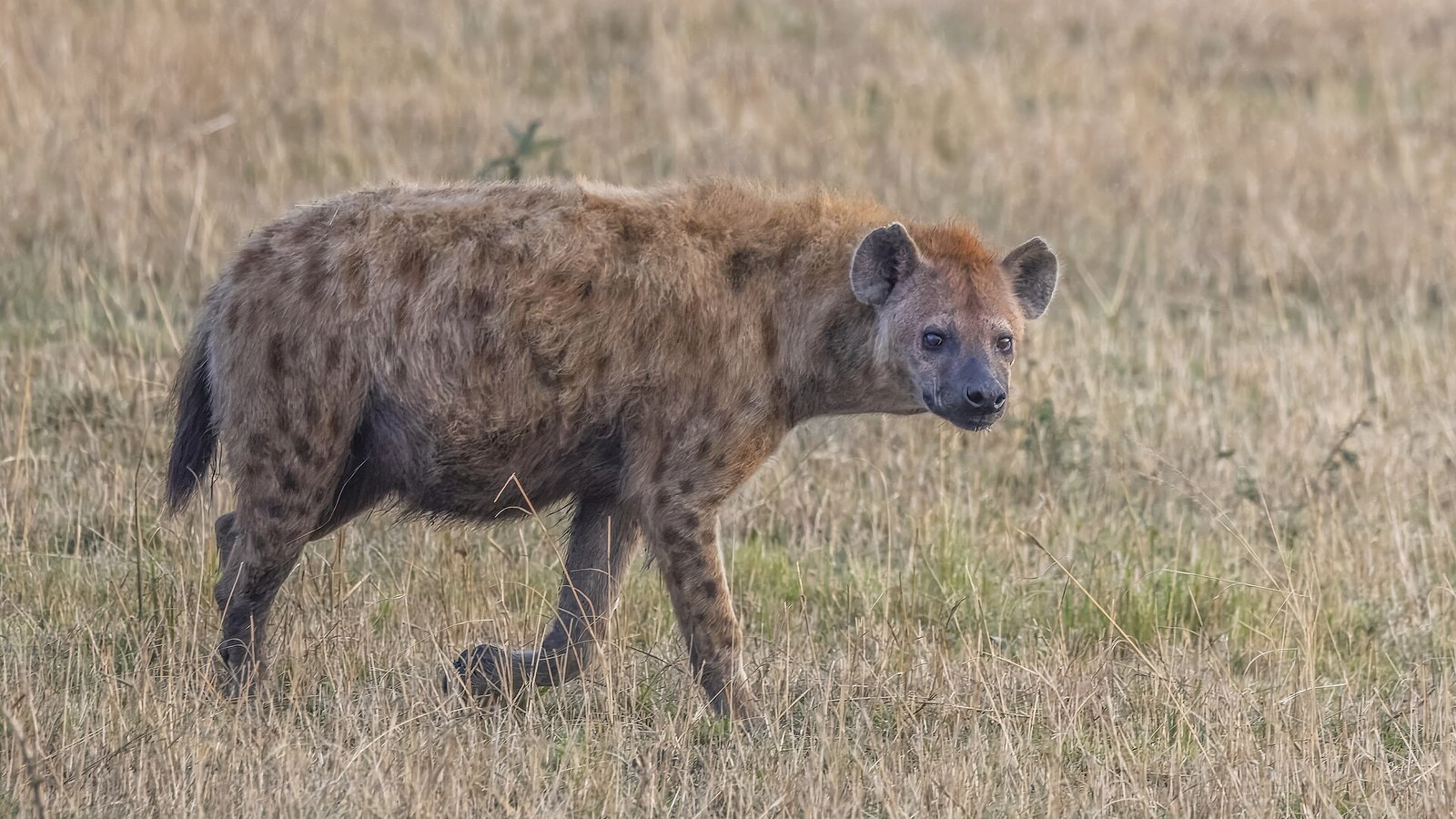
A study published on October 16, 2026, followed three hyena clans for 30 years as wildebeest herds spent less time nearby.
On October 21, 2026, the Leibniz Institute for Zoo and Wildlife Research in Berlin, Germany, announced the results of a long-term study of spotted hyenas in Serengeti National Park, Tanzania. The study, written by scientists from Germany, France and Tanzania, was published in the journal Ecosphere on October 16. It followed three hyena clans in the center of the park over three decades. Although the large herds that the hyenas depend on now spend less time in the clans' territories, the clans have stayed largely stable.
Spotted hyenas live in groups called clans, and each clan has its own territory. In the Serengeti, they mainly feed on migratory animals, such as blue wildebeest and zebras. Huge herds of these animals move around the Serengeti with the seasons, so they are not always close to the hyenas' homes. Some prey animals stay in the same area all year, but there are far fewer of them, and they could not feed whole clans.
Từ vựng trong bài
Đi lại đều đặn giữa nơi ở và một nơi khác rồi quay về (như người đi làm hằng ngày); ở đây là linh cẩu rời lãnh thổ của bầy để đến chỗ có đàn thú, rồi trở về.
Mothers with young cubs commute especially often, because the cubs stay at the clan's shared den and cannot go with them.